
How Do Porta Potties Work?
There's no mystery to it. The unit is a sealed box, about 44 by 48 inches on the ground and 92 inches tall, sitting over a holding tank. When someone uses it, waste drops straight into that tank instead of a sewer line. A blue chemical solution in the tank breaks down solids and locks in odor between services. That's the whole trick behind why a well-maintained unit doesn't reek. There's no water intake and no drain line, which is why you can drop one anywhere, from a jobsite to a backyard in Redlands. For construction crews, construction site services usually means placing several standard porta potty rental units near the trailer, spaced so a construction worker running to the porta-potty during a break doesn't lose ten minutes walking. Under OSHA 1926.51(c)(1), crews of 20 or fewer need one toilet facility; add units as headcount climbs. On a service day, a technician vacuums the tank, rinses it, and adds fresh chemical before moving to the next unit on the route, following the ANSI/PSAI Z4.3 baseline of one visit a week for lighter use.
How Do Flushable Porta Potties Work?
A flushable, or deluxe, unit adds a small onboard freshwater tank and a foot pump or hand lever that pushes a rinse of water into the bowl after each use, same idea as a home toilet but self-contained. Waste still drops into the same kind of holding tank below, it just gets rinsed down instead of sitting exposed. That flush water comes from a built-in reservoir, not a hookup, so the unit still needs zero plumbing on site. It's why a deluxe flushable porta potty shows up more at weddings and corporate events than on a framing job, people notice the difference. Redlands venues booking wedding restroom rental or event restroom rental packages usually pair a couple of flush units with a portable sink rental station nearby, since guests expect real handwashing, not just sanitizer. That combination also comes up for festival restroom rental setups and golf tournament restrooms, where foot traffic is heavy but hookups aren't an option.
How Does a Portable Sink Work?
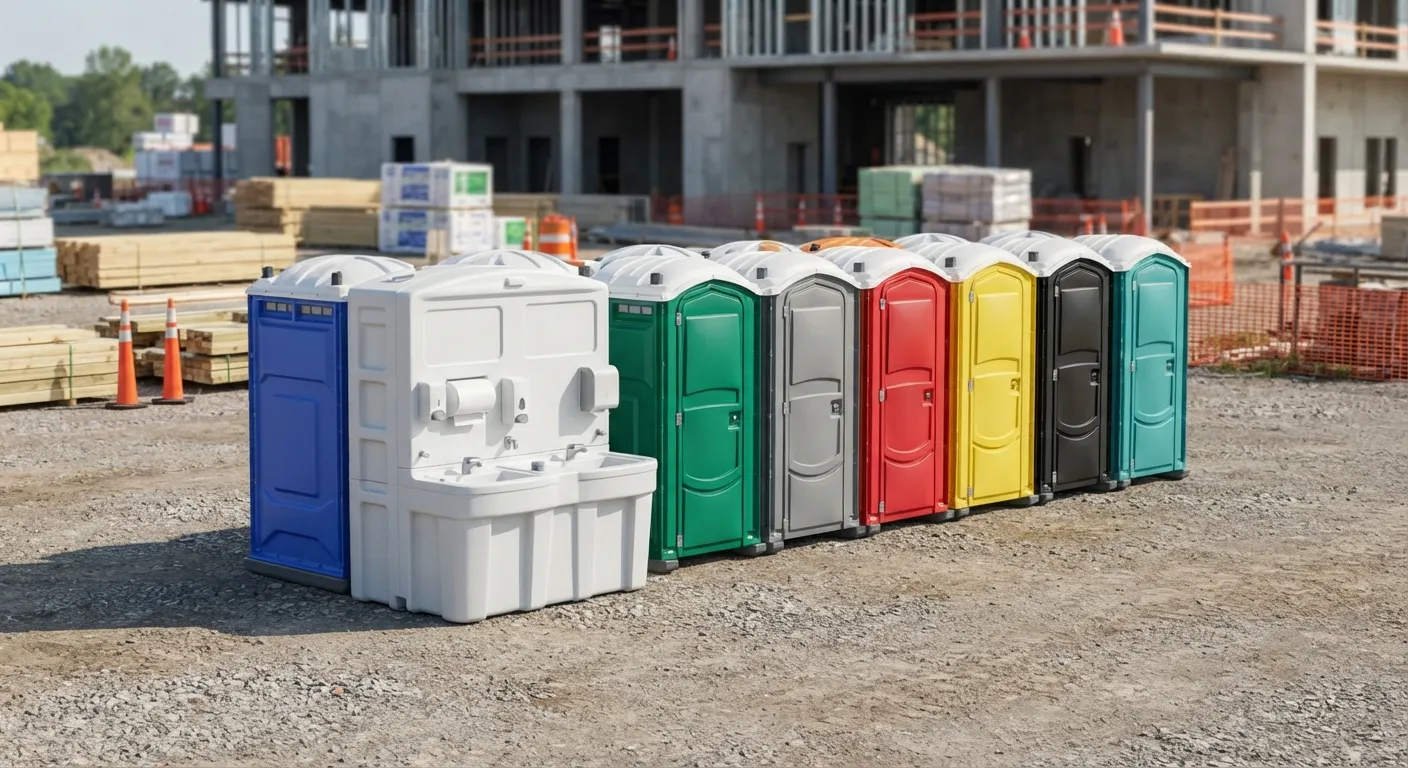
A portable sink runs on the same no-hookup logic as a porta potty: a fresh water tank up top, a foot pump or hand crank, and a gray water tank underneath to catch the runoff. Press the pump, water flows through the faucet, it drains into the holding tank instead of a sewer line. Soap dispensers are usually built in. That matters more than people think, because 29 CFR 1910.141(d)(2) requires soap and towels or a hand-drying device at washing stations, and hand sanitizer alone doesn't satisfy that. A straight hand sanitizer station rental is fine as a supplement, not a substitute. On jobs where crews are applying paints, coatings, herbicides or insecticides, OSHA 1926.51(f)(1) specifically requires washing facilities, not just sanitizer, because those contaminants need actual soap and water to come off skin. Agricultural operations near Yucaipa, 9.1 miles east of Redlands, often fall under OSHA 1928.110, which sets one facility per 20 hand-labor employees within a quarter mile walk.
How Do Camping Porta Potties Work?
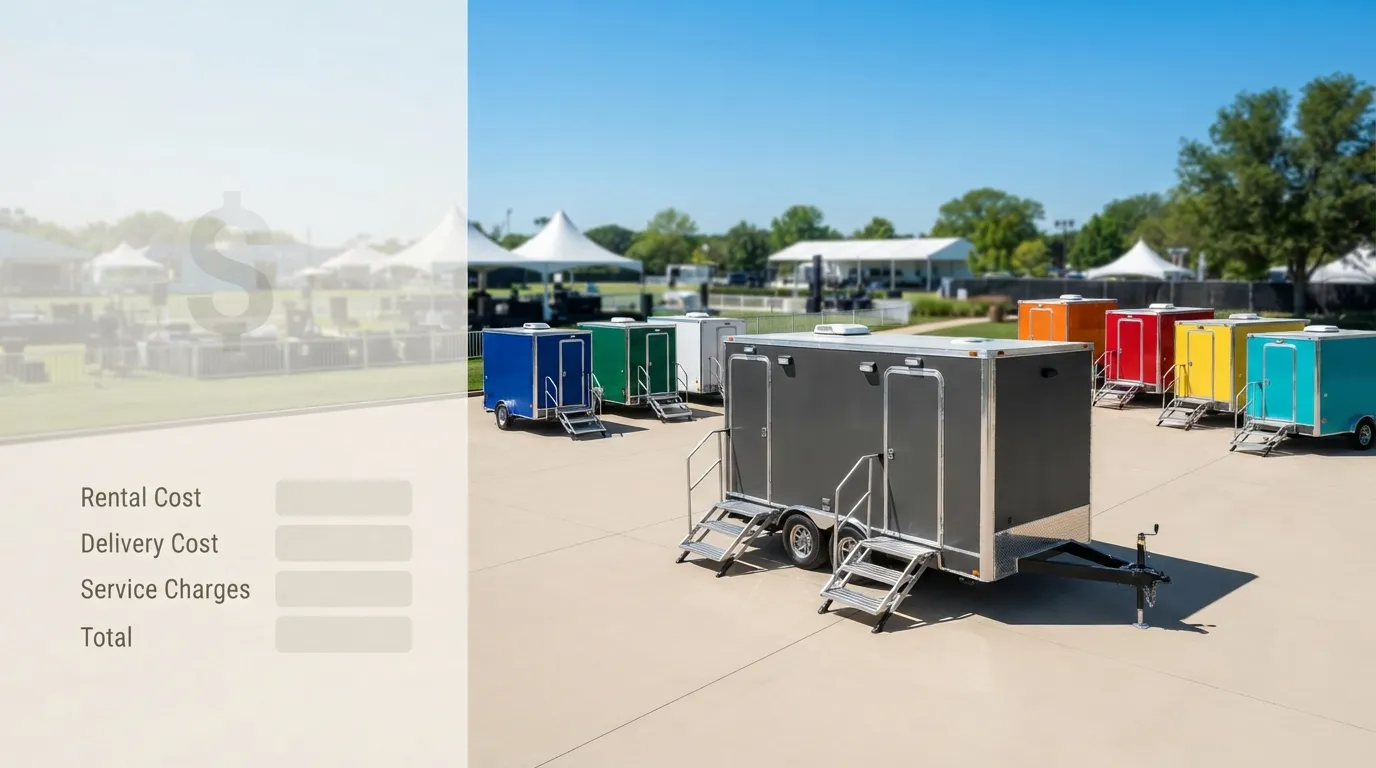
Camping setups run smaller and simpler: a compact cassette-style tank you carry out and dump yourself, versus the larger fixed units a rental company services on-site. For a weekend at a campground or a backyard gathering, most people just rent a standard porta potty rental unit rather than buy a cassette toilet, since Redlands Porta Pros delivers, sets it, and picks it back up without anyone touching the tank. The chemical used is the same blue deodorizer found in construction units, it just gets swapped less often on personal-use cassette toilets because volume is lower. If you're sturing a longer stay, a porta potty in winter needs different chemical concentrations since cold slows the breakdown process. Anyone unsure how many units a weekend camping trip or event needs can check how many porta potties do I need before booking, and pricing runs differently by duration, which the porta potty rental cost and porta potty rental per day pages break down.
| unit | day | week | month |
|---|---|---|---|
| standard | 100-350 | 130-500 | 125-325 |
| ada | 200-400 | 120-240 | n/a |
| deluxe | 85-1200 | 150-290 | n/a |
What chemicals go in a porta potty?
The standard blue chemical is a deodorizing, waste-breakdown solution added to the tank at setup and refreshed at each service. It's not the same as septic tank cleaning chemicals used in a home system, which target bacterial balance in a 1,000-gallon-class tank rather than a 60-gallon portable unit. Searching "portable toilet chemicals near me" usually means you want a rental company, not a retail product, since Redlands Porta Pros handles the chemical as part of service.
How often does a porta potty get serviced?
Weekly is the standard baseline for a unit seeing normal traffic, per the ANSI/PSAI Z4.3 industry guideline. High-traffic events or larger crews often need two or more visits a week. Check how often are porta potties cleaned for details on service frequency by use case.
Do porta potties need water or electricity hookups?
No. Standard and deluxe units both run self-contained, standard units with just a holding tank, deluxe units adding a small fresh water reservoir for flushing. Nothing connects to a building's plumbing or power, which is exactly why they work at remote sites near Highland, 5.9 miles north of Redlands, with no infrastructure nearby.
Are porta potties ADA accessible?
Some are. An ADA accessible porta potty has a wider door and interior turning space, and per ADA Standards section 213.2, at least 5 percent of clustered units, with a minimum of one, must be accessible. Doorways meet a 32 inch minimum clear opening under ADA Standards 404.2.3.
Why do some porta potties smell worse than others?
Smell usually comes down to service frequency and chemical level, not the unit itself. A tank serviced weekly with fresh chemical stays manageable; one overdue for pumping or low on solution won't. See do porta potties smell for what actually drives odor and how to prevent it.
Next step
Get a delivery date
Tell us the address, the dates and the headcount. We size the order and confirm the route.